
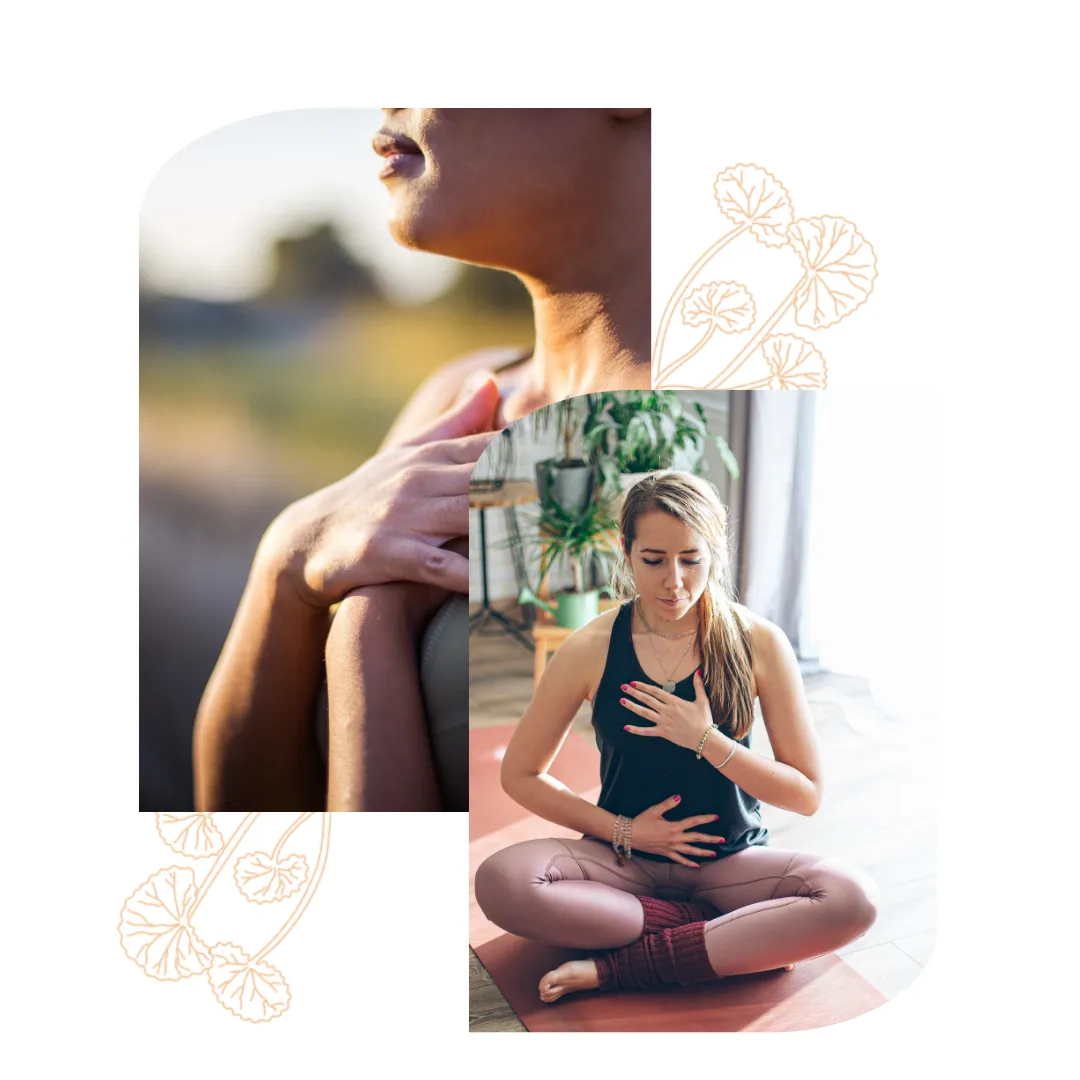
Stress Release & Somatic Processing Through Guided Breath
Somatic Release Breathwork
Considering Breathwork for Stress Release?
Somatic Release Breathwork in this practice is an active, expressive, body-based process designed to support the release of accumulated stress, emotional tension, and stored survival responses.
This is not relaxation-focused breathwork — and it’s not casual.
It is intentionally paced, guided, and contained to support safe discharge and integration, rather than overwhelm.
Because this work can involve strong breathing, sound, and physical expression, sessions are offered virtually, allowing full freedom of movement and expression in a private, supportive environment.
This page is here to help you understand what this breathwork involves, who it tends to support, and how to decide if it feels like the right next step.
About This Style of Breathwork
Somatic Release Breathwork uses intensified, rhythmic breathing as a way to work with the nervous system’s natural capacity to release stress and stored activation.
Core Emphasis
This approach draws from somatic and trauma-informed breathwork traditions that recognize:
Stress and trauma are held in the body, not just the mind
The breath can safely access and discharge this stored activation
Expression (sound, movement, emotion) is often part of release
Integration is as important as the release itself
Sessions May Include
Sustained rhythmic breathing
Vocal expression or spontaneous sound
Physical movement and sensations
Emotional release or insight
All of this occurs within clear structure, guided prompts along the way.
After the session, there is time dedicated for reflection and integration
Why Sessions Are Offered Virtually
Virtual sessions support this work in very practical ways. Because trauma release breathwork may involve:
Loud or expressive sound
Strong physical movement
Emotional release
Working virtually allows you to:
Remain in your own safe, familiar space
Express freely without concern for others
Avoid abrupt transitions after the session
Integrate immediately rather than re-entering public space
For this modality, privacy supports regulation.
Supportive For People Who
Trauma Release Breathwork may be appropriate if you:
Carry chronic stress, tension, or emotional holding
Feel “stuck” despite insight-oriented or talk-based work
Are navigating long-term stress, burnout, or trauma patterns
Have some capacity for self-reflection and integration
Are seeking a somatic way to release stress rather than analyze
Many people are drawn to this work when their system feels ready to move something through somatically, not just understand it cognitively.
What a Session Is Actually Like
Preparation and orientation before beginning
Guided breathing phases with verbal support
Permission for sound, movement, or expression
Ongoing cues to support safety and pacing
Time at the end for grounding and integration
This May Not Be the Right Fit If
Are seeking gentle relaxation or nervous system settling
Are currently in acute crisis or destabilization
Prefer subtle, low-activation bodywork
Are uncomfortable with expressive emotional release
Want breathwork to feel purely calming or meditative
About Payment
This practice is intentionally cash-based, allowing sessions to remain flexible and centered on the depth of the work rather than insurance constraints.
Many clients appreciate the clarity and autonomy this model provides.
About Readiness & Integration
This work is most supportive when someone feels resourced enough to meet what may arise.
You don’t need to be fearless — but readiness includes:
Willingness to feel bodily sensations
Capacity to rest and integrate afterward
Respect for your own limits
Openness to support if emotions continue processing
If you’re unsure whether now is the right time, that uncertainty itself is worth listening to.
Online Scheduling
When You’re Ready
If this description resonates and you feel a grounded internal yes, you’re welcome to schedule a Trauma Release Breathwork session.
This work doesn’t require certainty — it requires readiness and self-respect.
→ links to Vagaro booking app
You can always reach out via email with questions before scheduling if that feels supportive.
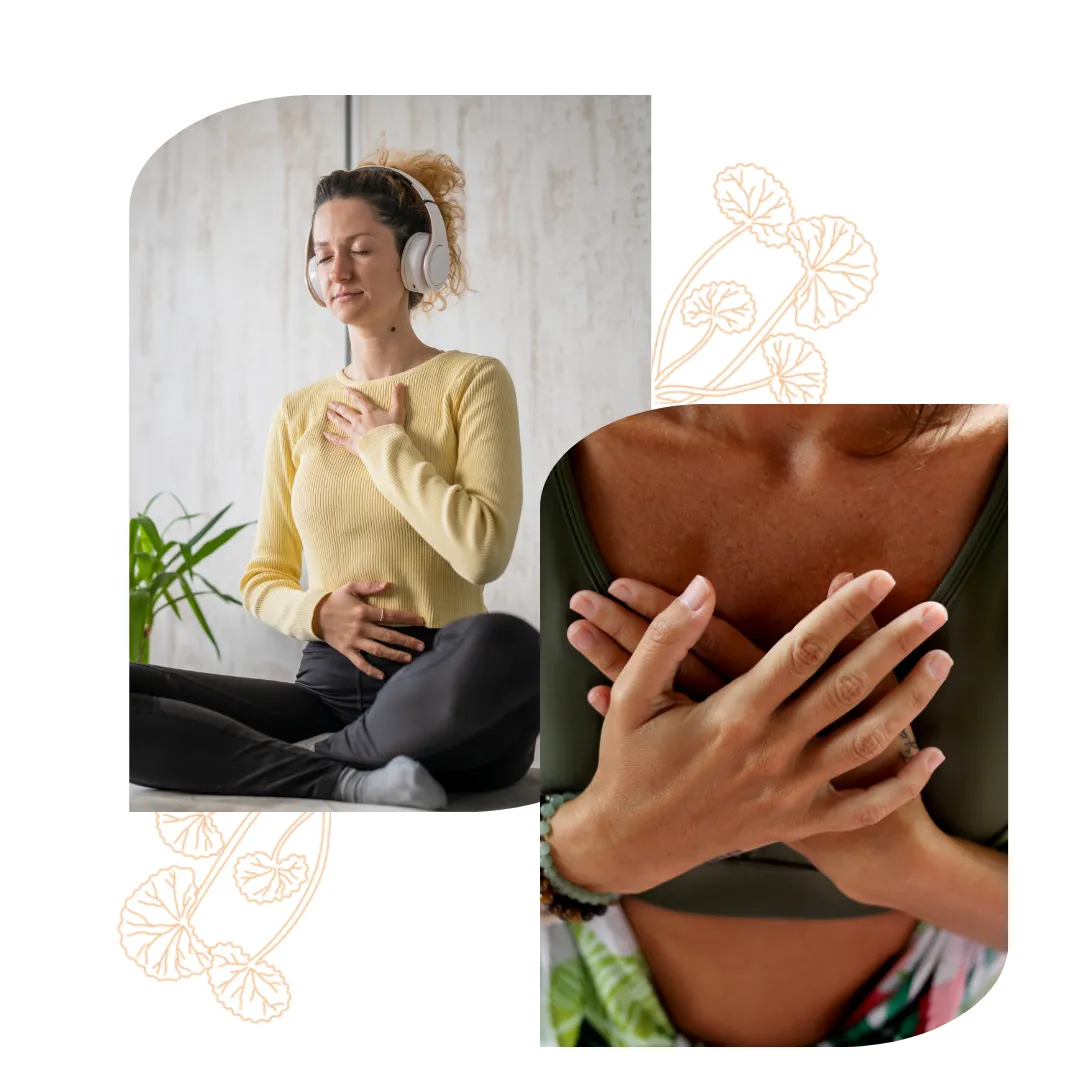

Discover Your Natural Ability To Heal Through Somatic Release Breathwork
The somatic, physiological, or trauma-informed foundations of breathwork
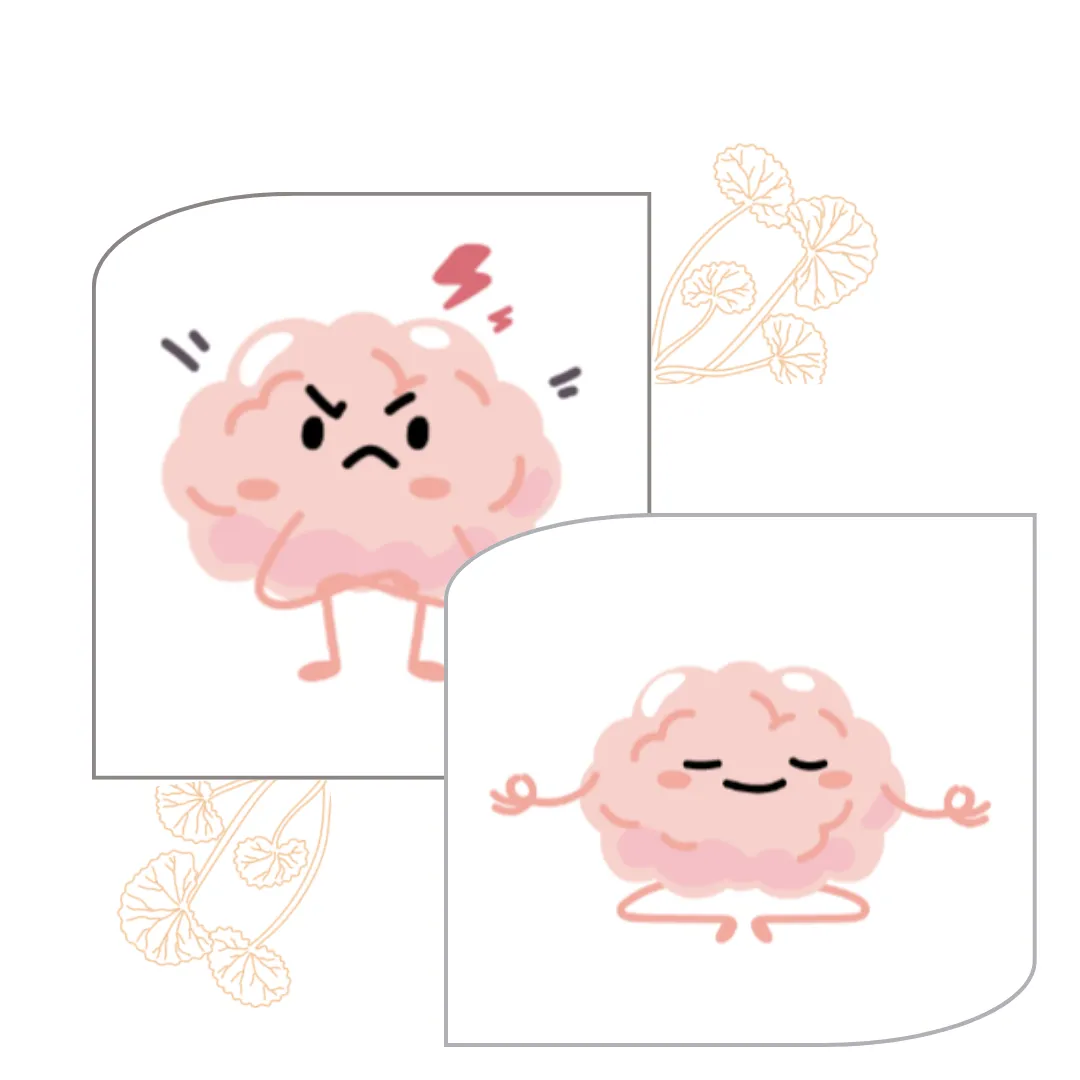
Nervous System Release & Repatterning
When we experience trauma, chronic stress, or emotional overwhelm, the nervous system can become stuck in patterns of fight, flight, freeze, or fawn. Over time, this dysregulation can show up as anxiety, tension, emotional numbing, exhaustion, or a sense of disconnection from the body.
To remember our wholeness, we must first feel what we’ve had to forget—not by reliving the past, but by giving the body permission to express itself in its own language: breath, sensation, and movement.
Somatic Release Breathwork offers a safe, guided space for the body to complete what was never finished. It allows for the natural cycles of activation, release, and integration to unfold—gently resolving what has been stored beneath the surface, and returning you to a state of grounded presence.
How It Works
Your breath is the most direct and powerful tool you have for shifting your internal state
Each breathwork session follows a carefully guided two-phase arc designed to help your body safely express what’s been held and return to a place of grounded wholeness.
Phase 1
Activation & Expression
We begin with conscious, rhythmic mouth breathing to intentionally activate the sympathetic nervous system. This rapid breath pattern helps bring long-held stress, emotion, and trauma to the surface, where it can finally move up and out of your system.
This is not about forcing anything, it’s about allowing what’s been stuck or frozen to come forward in a safe, supported way.
During this phase, I guide you through:
Breath holds to deepen awareness and release
Verbal prompts to invite expression (sounds, movements, shaking, tears, etc.)
Somatic cues to support the body’s natural discharge process
Phase 2
Integration & Reconnection
As the breath slows, we transition into a parasympathetic state, inviting rest, stillness, and reconnection. This phase allows your system to integrate what has been released—often bringing a profound sense of peace, clarity, or emotional resolution.
During this phase, participants often describe feeling:
Deeply grounded
Reconnected to their body or inner guidance
Free of burdens they didn’t even realize they were carrying
Greater inner guidance and clarity
Begin Your Somatic Healing Journey
Somatic Release Breathwork Workbook & Integration Prompts
Download the free Somatic Release Breathwork Workbook to:
Understand the science behind nervous system regulation
Learn how stress is stored (and released) in the body
Explore journal prompts to connect with your emotional landscape
Whether you’re new to breathwork or returning to your body after a long disconnect, this guide is a powerful first step and will prepare you for your next breathwork session.
Includes somatic prompts, journaling, and a pre-session body scan practice.
© Copyright 2026. Valerie Christina Acupuncture & Women's Wellness. All rights reserved.


